
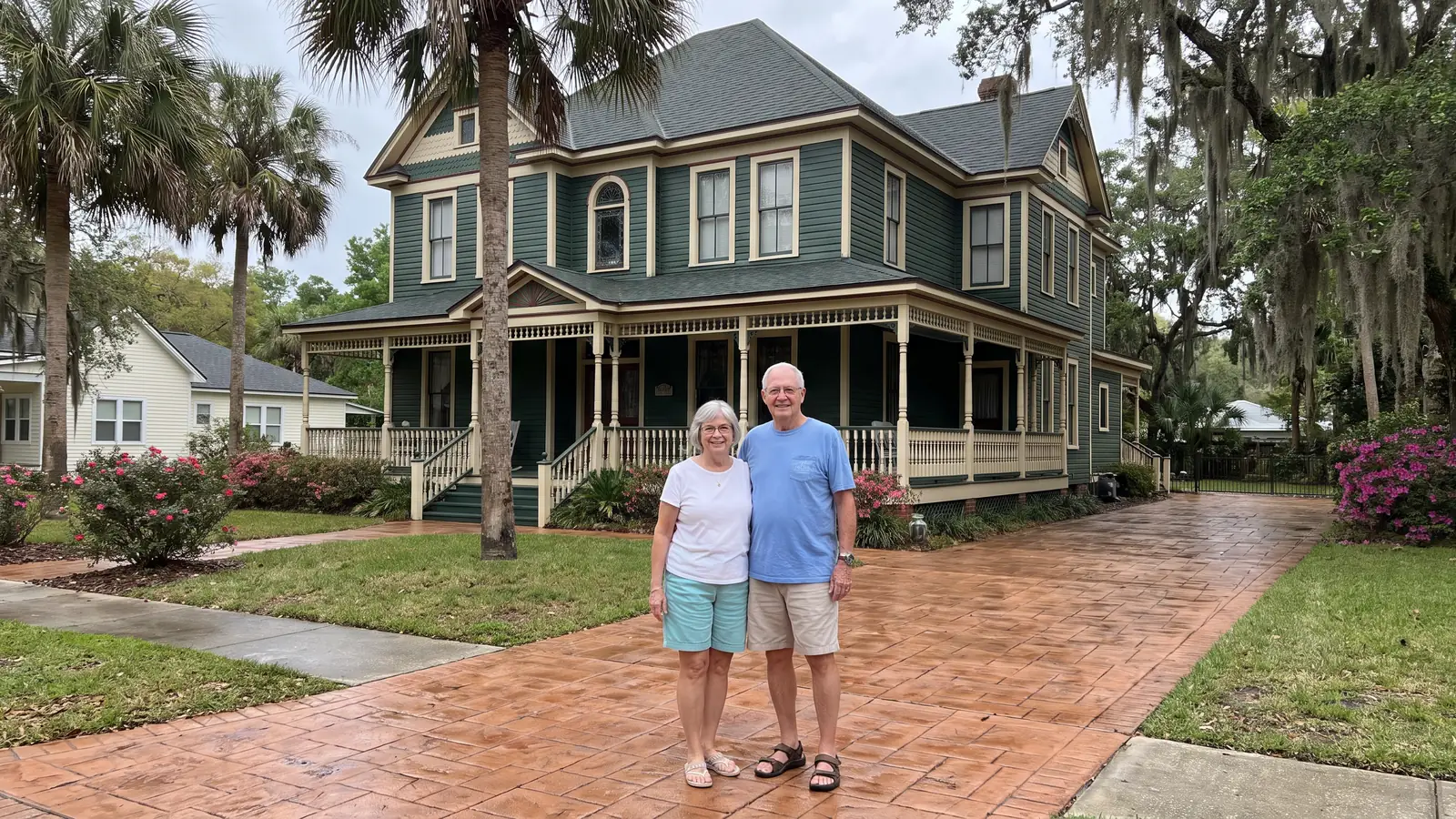
Paver sealing for Daytona Beach homes
Paver Sealing in Daytona Beach, FL
Sea air and wet summers fade Daytona Beach pavers, so call (386) 854-4508 for a free sealing estimate.
- Brings out deeper paver color
- Fresh joint sand helps lock pavers in place
- Gives weeds less room to grow
- Makes the surface easier to keep clean
- Free estimate, no obligation
Request a Free Estimate
Free, no obligation.
Fast, careful paver sealing in Daytona Beach
Paver sealing in Daytona Beach is a service a local contractor can quote for free on driveways, pool decks, patios and walkways. If you send a quick request, you will hear back within 1 business day, usually much sooner. There is no obligation to hire anyone.
Maybe your drive has gone a flat, faded tone, or the joints are dark with algae after a wet summer. Maybe a rental or second home sat empty for weeks and the patio shows it. A wash, new sand and a fresh coat put the color back, and a call to (386) 854-4508 is the quickest way to start.
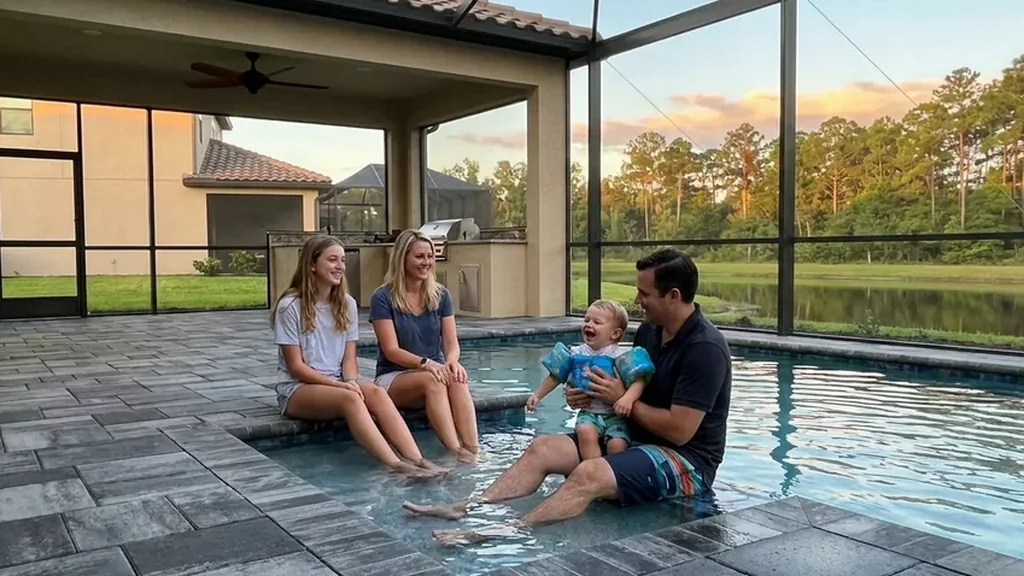
Why hire a local paver sealing contractor in Daytona Beach?
Daytona Beach pavers deal with sea air, 70 percent humidity and afternoon storms, so owners tend to want someone who has seen those conditions before. To ask how that applies to your home, send a quick request.
Free estimate, no strings
The contractor looks at your Daytona Beach pavers and quotes a price before any work is agreed. You can say no after the visit.
A range to check bids against
Regional quotes should sit near $1.75 to $3.25 per square foot. Check yours, including any quote for a second home. Ask for the sealer brand on the quote too.
Grip where it counts
Natural or matte finishes keep feet steadier near pools and steps. A traction additive is another option if you want some shine. Ask about a test spot for the look.
Plan around your schedule
Owners who live elsewhere part of the year can set the date and get the estimate by phone. You stay in charge of the work. You can book by phone, with no need to be home for the call.
Get Your Free Estimate in Daytona Beach
Tell us about your pavers in Daytona Beach.
Free, no obligation
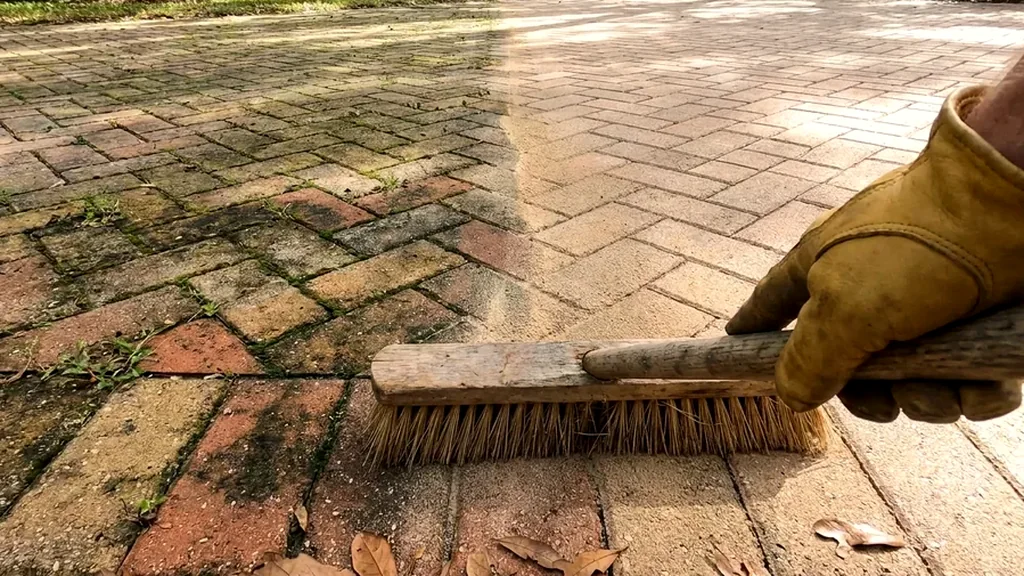
What paver problems show up most in Daytona Beach?
Salt air that dulls the color
A Daytona Beach pressure cleaning company says salt air near the Halifax River and the beach dulls color over time. Sun then fades pigment on open driveways. Both are most noticeable on pavers that were never sealed. Sealer slows the fade, so color stays richer for longer between washes. Pale pavers show salt marks and splash sooner than darker blends. A light rinse now and then keeps buildup from setting in. Open driveways bake in full sun, and about 8 days a year reach 95 degrees.
Humidity that never lets surfaces dry out
A local sealing company puts Daytona-area humidity above 70 percent all year, with frequent afternoon storms. Damp surfaces grow algae, and shaded spots grow it first. The rainy season runs late May through October, which means the dry windows for a sealing job are smaller in summer. Good contractors watch radar before they spray. About 8 days a year reach 95 degrees, so a sunny drive also bakes dry fast once the storm passes. The shaded side of the house is the one to watch. Afternoon storms can arrive just as a coat is going down, which is why start times matter.
Cloudy patches from an older coat
One sealing company says white hazing can come from earlier solvent-based coats applied in high humidity. A homeowner may not know what the last company used. Water-based product will not bond over solvent-based, so the old coat has to be named first. The contractor needs to identify and sometimes strip the old coat before anything new goes on. Hazy spots also form when sealer goes down before the pavers dry or is rolled on thick. A patient crew avoids both.
Storm runoff that washes sand away
The same company calls sand erosion from heavy rain runoff a common local issue. The Midtown area, between Orange Avenue, Beville Road, Nova Road and Ridgewood Avenue, is low and flat, so water can drain slowly there. Pavers that sit in that water can lose joint sand and keep a film of silt. Both have to be fixed before sealing. If your street floods, tell the contractor early. It changes both the washing and the sand plan.
Slick surfaces after rain
A glossy film on smooth travertine or tight brick can feel slick when wet, according to a Daytona Beach cleaning company. It suggests a natural or matte finish, or a traction additive in the top coat. Pool decks and steps are where this matters most. Ask about footing before you choose a wet look. Wet feet, pool toys and wet towels all make a slick patch worse. Matte keeps a calmer look beside a pool, too. Rain and splash from pool decks make it worse.
What should Daytona Beach homeowners know about their neighborhood before sealing pavers?
Start with which side of the Halifax River you live on, since the city is split in two. The beachside gets more salt air, and the mainland has the Midtown flat. Four bridges link the two sides. Tell the contractor your side when you send a quick request.
Seabreeze is the older beachside area. Its historic district was listed in 1998 and holds 596 historic buildings in Queen Anne and later revival styles. Pavers beside buildings that old call for careful rinse water, so mention your home's age. Call (386) 854-4508 to describe the property.
Newer communities such as LPGA International, Pelican Bay, Indigo Lakes and Mosaic are named by local companies as service areas. Many have HOA rules on color and work hours, so check yours first. Pavers there are often a decade or more old. send a quick request and tell the contractor which community you are in.
About 19.4 percent of the city's homes were vacant in 2020, which includes rentals and seasonal homes. Pavers at a house that sits empty can collect algae and leaf stains between visits. If you manage a rental, you can set a date by phone. Call (386) 854-4508 and ask about scheduling around guests.
Condos and townhomes with shared walkways or pool decks are usually run by an association. In that case the board signs off on the work and the finish. Ask the association before you book, then call (386) 854-4508 to schedule an estimate.
Four bridges link the beachside and the mainland: Veterans Memorial, Broadway, Main Street and Seabreeze. A trip to a beachside home means crossing one of them. Tell the contractor which side you live on when you send a quick request, and ask which time of day suits a visit.
What does paver sealing cost in Daytona Beach?
Across Northeast Florida, the figure companies commonly publish for a full clean, sand and seal is $1.75 to $3.25 per square foot. In Daytona Beach the number moves with algae, old coats and how much sand is missing. To see where your pavers fall, send a quick request.
A small patio costs more per square foot than a big drive, because setup takes the same effort. Travertine, brick and other porous surfaces need a different sealer, and film-forming products cost more than penetrating ones. Call (386) 854-4508 and ask what your surfaces need.
Timing can help your budget. A cost guide from Jacksonville says a fall coat, after hurricane season, carries pavers through the dry winter. To plan around the season, send a quick request and ask what dates are open.
Access changes a bid. Stairs, gates and narrow side yards add prep time, and a good quote also names the sealer brand. Share any of those details when you call (386) 854-4508, so the first number is close to the last one.
| Paved area | Typical example | Clean, sand and seal |
|---|---|---|
| 300 sq ft | Small patio or walkway | $525 to $975 |
| 600 sq ft | Two car driveway | $1,050 to $1,950 |
| 1,000 sq ft | Large driveway or pool deck | $1,750 to $3,250 |
| 1,500 sq ft | Driveway plus pool deck | $2,625 to $4,875 |
Math based on the $1.75 to $3.25 per square foot that Northeast Florida paver companies publish. Your contractor sets the actual price after seeing the surface. Repairs, leveling and stripping failed sealer are usually extra.
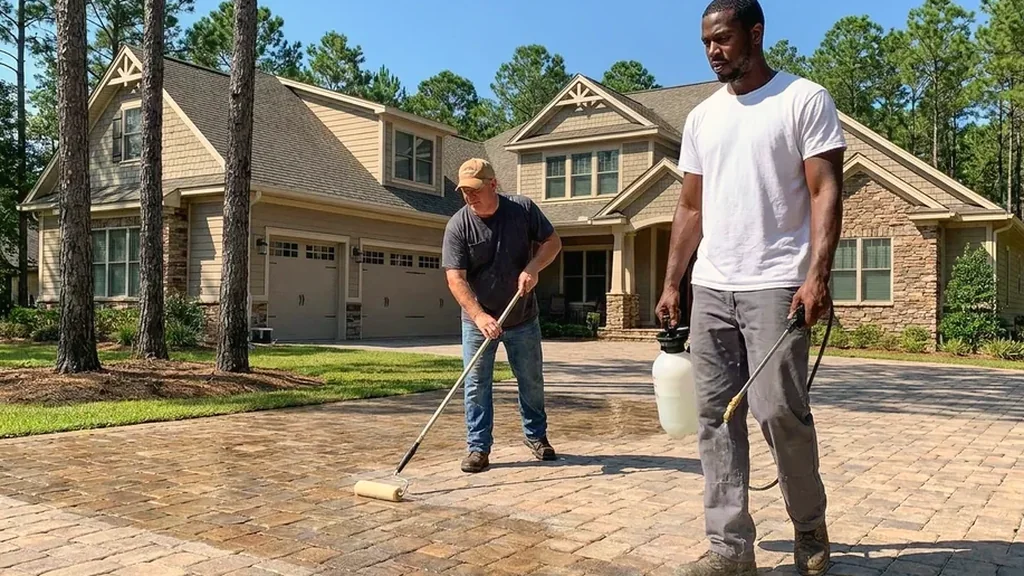
How does a paver sealing job work in Daytona Beach?
Look at the surface and the old coat
The contractor walks your Daytona Beach pavers and checks for sunken spots, loose edges, algae and signs of old sealer. A sealer cannot fix sinking or rocking pavers, so those are reset first. A coat already on the surface is named first, since the wrong product on top will not hold. Bring up any cloudy patches you have noticed. Photos of past problem spots on your drive are a help, and so is a note on how you use the area.
Wash the surface
The surface is washed to remove algae, salt film, tire marks and stains. Shaded areas near pools and screens may need slower work. Rinse water is kept off plants and screens where it can. A pool deck gets extra care near the water.
Re-sand the joints
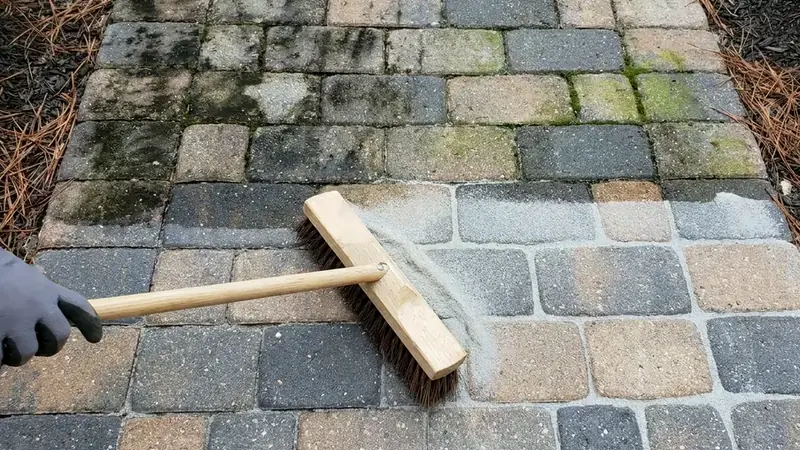
The wash lifts the old joint sand, so new sand is wet-sanded into each joint ahead of sealing. Full joints hold pavers steady through heavy rain. Sand is swept clean from the face of each paver. Joint sand made for pavers goes in, never plain play sand. Joints are topped off again if the sand settles.
Wait for a clear window
Sealer needs a dry surface, and afternoon storms are common. A careful crew checks radar and holds the job if rain is close. In the humid summer, that may mean starting early in the day. Pools, sprinklers and heavy dew can all hold moisture longer than you expect, so a dry patch is checked by hand. A patient wait costs less than stripping a cloudy coat.
Apply the finish you chose
Sealer is sprayed and then back-rolled, in a finish that suits your surface. Walking on it is usually fine within a few hours, and tires need about a day. Ask when your pool deck or garage apron can be used again. Save the sealer name so the next coat can match. Ask about any longer wait for steps near the pool.
Complete paver services in Daytona Beach
In Daytona Beach the order never changes: wash, re-sand, dry, then seal. That order keeps salt, algae and old dirt from being locked under the coat. Fresh sand goes in before sealer, never after. To ask how long each step takes at your address, call (386) 854-4508.
Driveways take sun and tire turns, pool decks take splash and bare feet, and walkways by the house stay shaded. Travertine and brick need their own sealer type, since they are more porous. Say which surfaces you have when you send a quick request.
Sealers come water-based or solvent-based, with natural, matte or wet looks. A local company calls breathable water-based sealers a smart base for most coastal homes. A wet look darkens the paver and can warm up in sun. Call (386) 854-4508 to talk about what fits your home.
Weather sets the schedule. Daytona Beach gets about 51 inches of rain a year, and June through September bring most of it. A clear stretch in the forecast matters more than the date on the calendar. To find an open window, send a quick request.
Questions to ask before you hire
- My home runs on well water, so can the rust spots from my sprinklers be removed before sealing?
- Is the estimate written down with the sealer, the coats and the square footage listed?
- My yard has a lot of live oaks, so how do you deal with the tannin stains from fallen leaves?
- Can the price be split into a clean-only option and a clean-and-seal option?
- The pavers back onto a retention pond, so how do you keep rinse water out of it?
- Can you tell me how many square feet you measured, and how the number was reached?
- Will you lay down fresh joint sand, and how long does it take to harden?
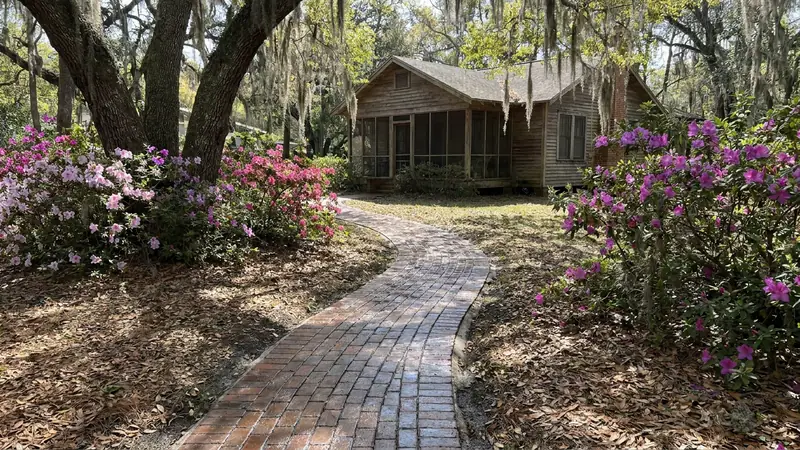
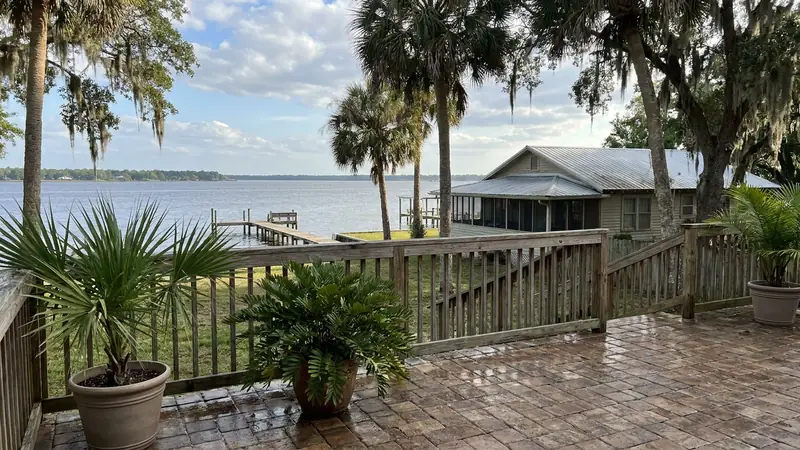
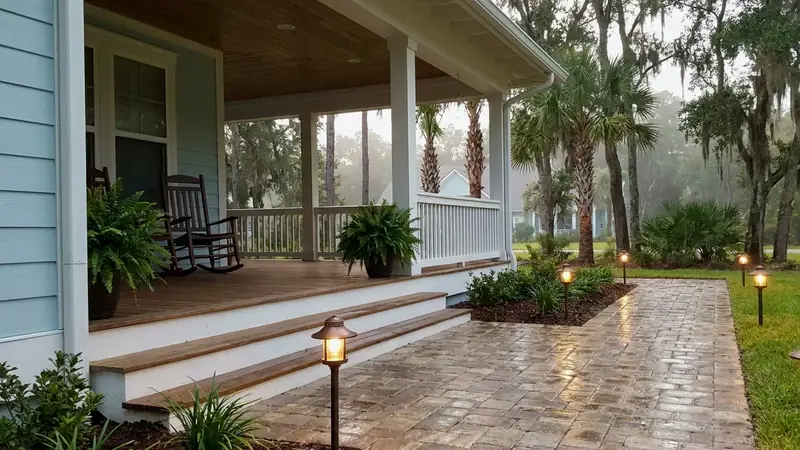
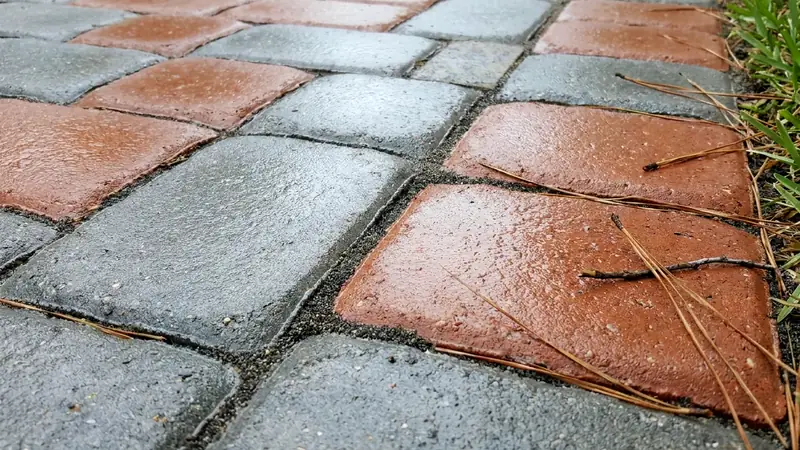
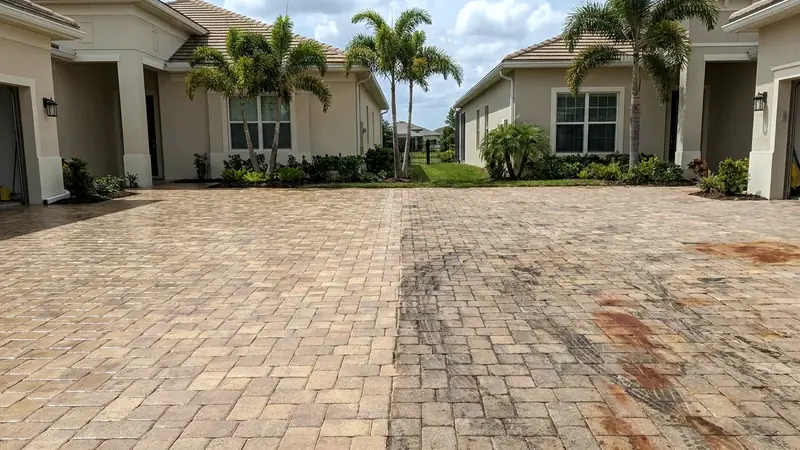
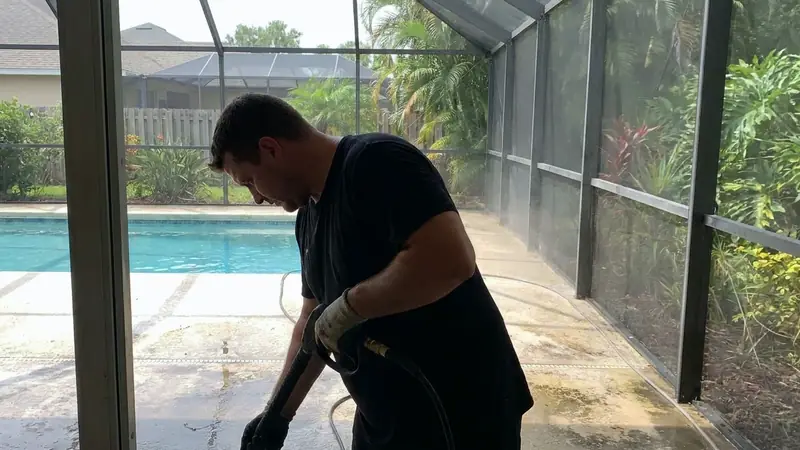
What do sealed pavers look like around Daytona Beach?
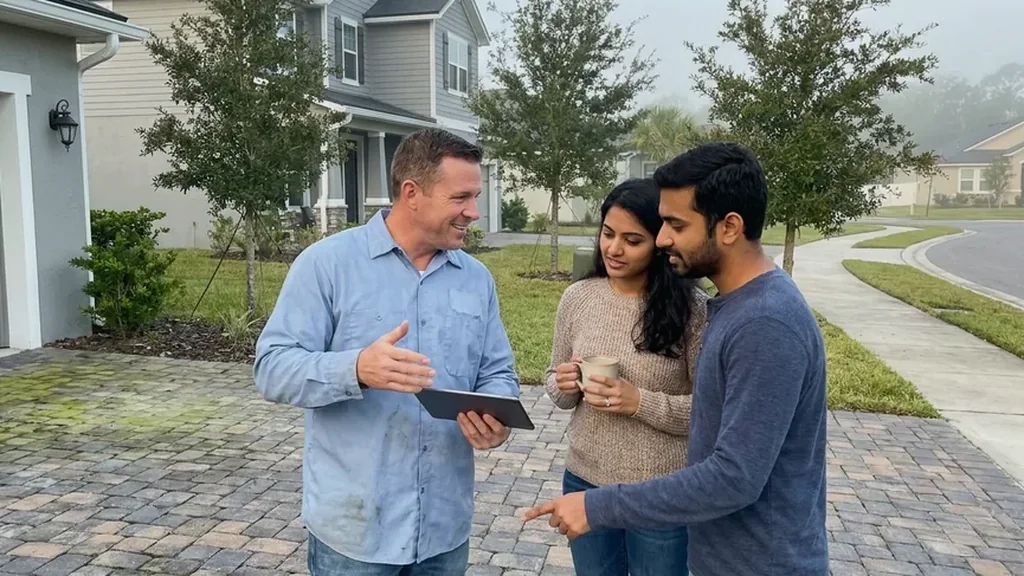
Why local matters in Daytona Beach
A contractor who works Daytona Beach knows the difference between a beachside patio and a mainland driveway. The beachside deals with more salt, and the mainland flats deal with more standing water. That affects how long the surface needs to dry. To reach someone who knows both, call (386) 854-4508.
Local knowledge also helps with timing. The city sees over 8 million visitors a year and a lot of rentals, so a contractor who works here understands guest calendars. A short window between stays can be enough for a wash and seal if weather holds. You can send a quick request and mention your dates.
Storm history matters here as well. Hurricane Charley severely damaged the city in 2004, and Midtown still struggles with slow drainage. Someone who knows the area will ask where water sits on your lot. Call (386) 854-4508 and describe any low spots.
Salt and sun also set the clock. Beachside pavers tend to need attention sooner than ones a few miles inland, and a local crew expects that. You can ask for a quick look at how worn your coat is. Call (386) 854-4508 and mention your street.
Condo and townhome communities near the beach often share walkways and pool decks. A contractor who works here knows to ask who approves the work and the finish. That one question can save a delay. Call (386) 854-4508 to start the conversation.
Is it useful to hire someone who knows Daytona Beach history and streets?
Yes, because the city was built from separate towns. Seabreeze, Kingston, Daytona and Daytona Beach merged into one city in 1926, and David Rogers began Seabreeze in 1884. The old Orange Grove Plantation became the Daytona Beach Historical District on the Halifax River. If you live in an older part of town, send a quick request.
Cars are allowed on much of the beach at 10 miles per hour, and Daytona International Speedway opened in 1958 to replace the old beach course. Seabreeze Boulevard runs between the Intracoastal Waterway and the beach near the famous sign. Along these streets, call (386) 854-4508 and describe your pavers.
The city has more than 23 miles of public beach, and tourism brings over 8 million visitors a year. Streets near the sand see more foot traffic and more sand tracked onto driveways. If that sounds like your street, send a quick request and describe your property.
The Atlantic hurricane season runs from June 1 to November 30 and peaks on September 10. Charley hit the city in 2004, so many owners plan outdoor work around those months. If you want a date after the peak, send a quick request and ask what is open.
Frequently Asked Questions
Is it good to seal pavers in Daytona Beach?
Yes, for most homes here. Color holds up better against sun and salt air once sealed, and joint sand stays put in storms. It also makes later cleaning easier. Pavers still need fresh coats every few years.
Do you seal pavers before or after polymeric sand?
Sand goes in first. A Jacksonville company says re-sanding happens before the coat, not after. Another says the sand is wet-sanded into every joint and then locked in by the sealer. Ask the contractor which sand product is used. Most sand is swept in after washing and the pavers dry first.
How long do paver sealers last in Daytona Beach?
Companies commonly give two to five years as the gap between coats. Another Jacksonville company says many driveways get resealed every two to three years. Salt air, sun and pool use push toward the short end. When water beads on the surface, the coat is still working. Pool decks with chlorine or salt systems may need a coat sooner than a shaded walk.
How much does it cost to have pavers cleaned and sealed in Daytona Beach?
Expect $1.75 to $3.25 per square foot for the full clean, sand and seal, the figure companies across Northeast Florida commonly publish. Compact jobs price higher per foot. Porous stone and failed old coats can raise the price. Ask for the total square footage and the sealer name in your quote.
Should I choose a wet look or a natural finish?
It depends on the surface and the use. A wet look darkens the paver and can feel slick on smooth stone after rain. Natural or matte finishes keep better grip near pools. A traction additive can be blended into the top coat. A small test spot can help you see the look before the full job.
Can sealer go over pavers that already have a coat?
Not always. Water-based sealer will not bond to a surface already coated in solvent-based product. A local company says white hazing can come from earlier solvent coats in humid weather. Someone has to find out what the old product is before anything new goes on. Keep any old receipt or product name you find, since it can settle the question fast. Humid summers make that rule matter more, since damp pavers and a solvent coat do not mix.
Can sealing repair sunken pavers in Daytona Beach?
No. Sinking, heaving or rocking pavers need an installer first, according to a St. Augustine paver company. Show the contractor any low spots when you meet. Midtown-style flooding can move pavers over time.
When is a good time of year to seal pavers in Daytona Beach?
A Jacksonville cost guide favors fall, once hurricane season is over, for sealing. Spring works too, since it seals the surface before summer humidity peaks. Any season needs a dry surface and a clear forecast. Hurricane season runs June 1 to November 30, so a fall date is often a calm one. Spring also seals the surface before summer humidity peaks, so both seasons have a case.
Ready for a Free Estimate in Daytona Beach?
Call (386) 854-4508 and tell us about your pavers.
Free, no obligation