
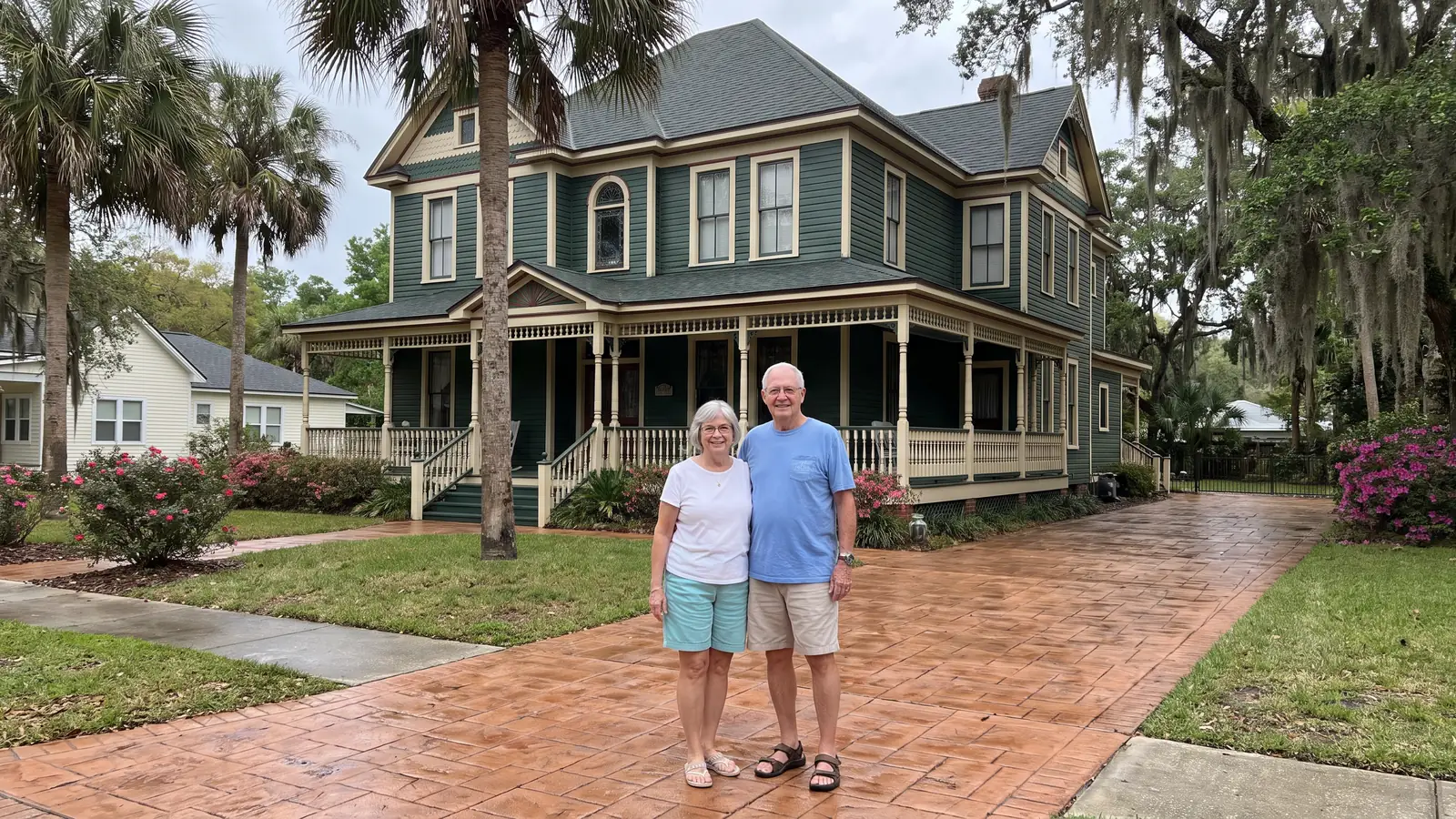
Paver sealing for Palm Valley homes
Paver Sealing in Palm Valley, FL
Palm Valley pavers near the Intracoastal may need a wash before sealing; call (386) 854-4508.
- Brings out deeper paver color
- Fresh joint sand helps lock pavers in place
- Gives weeds less room to grow
- Makes the surface easier to keep clean
- Free estimate, no obligation
Request a Free Estimate
Free, no obligation.
Fast, careful paver sealing in Palm Valley
Paver sealing in Palm Valley comes with a free estimate from a local contractor who handles driveways, pool decks and walkways, including cleaning and fresh sand. Homeowners from Canal Boulevard to Palm Valley Road can expect a reply within 1 business day, usually much sooner. To start, send a quick request and send a photo or two of the surface.
Maybe the low corner of the driveway wears a gray film from the last big rain, with weeds standing up between the pavers. A wash, new sand and a fresh coat can even out the color again. If you would rather talk first, call (386) 854-4508.
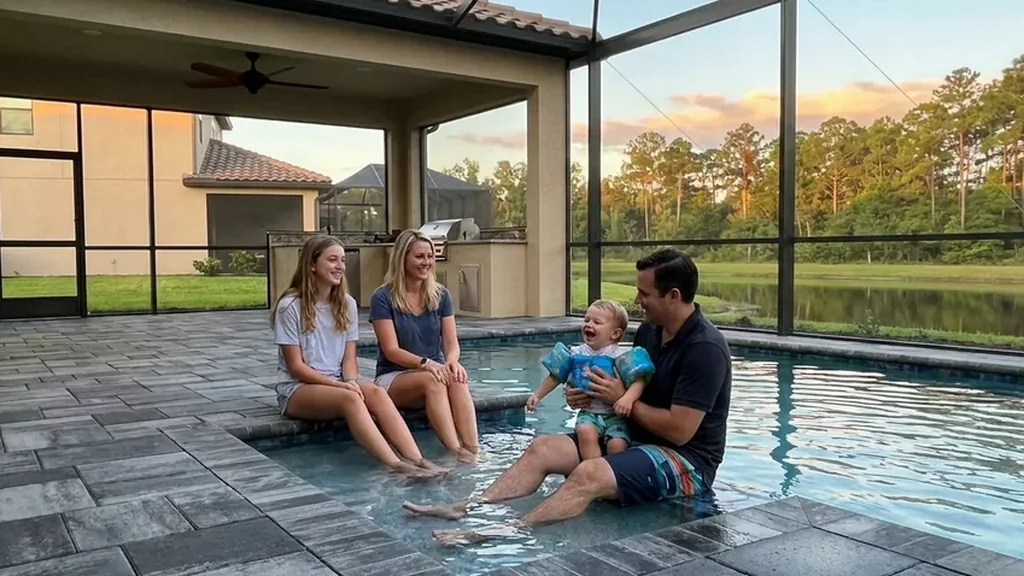
Why hire a local paver sealing contractor in Palm Valley?
Palm Valley sits low between the Intracoastal and A1A, and standing water is part of how its pavers age. A local contractor builds that into the plan, and you can send a quick request to hear how.
A free look after the water
A local contractor checks your Palm Valley pavers at no charge, low corners and all, then quotes a price.
A published range to compare
Weigh any bid against the published $1.75 to $3.25 per square foot to clean, sand and seal.
Finish choices explained
A wet look deepens color and matte keeps it natural. Pale pavers show salt and splash marks sooner, so ask about your color.
No pressure to decide
Whether to go ahead, and when, is up to you. Replies land within 1 business day, usually much sooner.
Get Your Free Estimate in Palm Valley
Tell us about your pavers in Palm Valley.
Free, no obligation
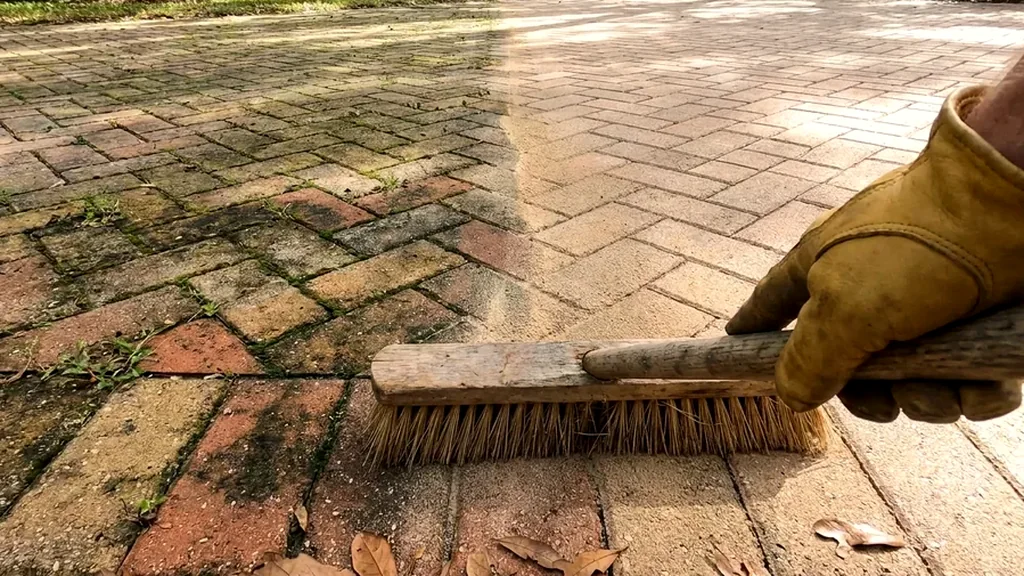
What paver problems show up most in Palm Valley?
Water that arrives all at once
Palm Valley sits along the Intracoastal Waterway, and heavy rain can leave streets and yards under standing water. Silt left by standing water forms a film, and sealing over it would trap the film. Washing and full drying come before any coat, and the joints get checked afterward. Even a short downpour can leave silt along the low edge of a drive. If your pavers have sat under water, tell the contractor at the first visit.
Surge from the Intracoastal
After Hurricane Irma, the Ponte Vedra Recorder reported that Roscoe Boulevard backs up to the Intracoastal and many homes there flooded from storm surge. St. Johns County records a surge of 2 to 7 feet from Matthew in 2016. A paver maker explains that salt travels as airborne particles and can crystallize on surfaces as moisture evaporates. Salt residue is cleaned off before a coat goes on. Pavers that sat in surge or rain can need more than a quick rinse. The contractor decides how many passes the wash takes once the surface is dry enough to judge.
Joint sand that storms and sprinklers wash out
One company near St. Augustine says many installs here used play sand, which afternoon storms and sprinklers wash out. A Jacksonville company says sinking and washouts are the main reason pavers fail, because unsealed joint sand leaves and storm water reaches the base. Soil settles into those gaps, and weeds take root. Fresh sand and a coat that locks it in address the cause. Weeds are the part you can see, and missing sand is the part that matters. Pulling a weed without refilling the joint leaves the hole open. A full sealing job replaces the sand first, so the coat has something to bind to. Odom's Mill, Plantation Oaks and the older streets were built in different years, so the sand and joints differ from one to the next. Odom's Mill alone has more than 230 single-family homes of about 1,800 to 4,200 square feet, so paved areas vary a lot from lot to lot.
Pale pavers that show everything
The paver maker Nicolock says pale pavers show splash marks, salt residue and sand more quickly. Efflorescence, the white bloom that comes from moisture moving through concrete, can also show up. A wet look deepens color and hides some of this, but it shows scuffs sooner. Ask for a small test patch if you are unsure which finish you prefer. If you are unsure, ask the contractor to coat a hidden corner or to show a sample on a spare paver. A small test costs little and avoids a color you will not like. Pool decks in particular reward a careful choice. Pale pavers around a pool show marks sooner, which makes the finish choice matter more than usual.
Shared walks at condos and townhomes
The census counts 2,511 of 9,803 housing units here in buildings of 3 to 19 units. Florida Statute 718.113 makes the association responsible for maintaining condominium common elements. On a shared entry walk or patio, the association has the final word, while single-family owners decide for themselves. Townhome owners with private driveways have a different answer than neighbors with shared courtyards. A manager can usually tell you in one call which surfaces belong to the association and which belong to you. Get that answer before you ask for a quote.
Do Palm Valley Landing, Plantation Oaks and Odom's Mill need different paver care?
Mostly the age and the ground change the plan. Palm Valley Landing, Plantation Oaks, Seaside, Odom's Mill and Dolphin's Cove are among the neighborhoods Wikipedia lists. Listings show Old Palm Valley homes built from 1993 to 1999, and Palm Valley Gardens homes built from 1970 onward. Your neighborhood goes in the request when you send a quick request.
Elevation is the other difference. Listings give median elevations of 6 to 7 feet, and in Palm Valley Gardens seven of twelve geocoded homes sat in a FEMA special flood hazard zone. Low ground can mean slow drying, so call (386) 854-4508 and mention if your lot floods.
Odom's Mill has more than 230 single-family homes and a community pool, according to one local agent, and every Old Palm Valley listing reports an HOA, at a median of $66 a month. Under Florida Statute 720.3035, an association's review stops where its own documents stop. Read yours before you pick a color, then send a quick request.
What does paver sealing cost in Palm Valley?
A Palm Valley quote is the published $1.75 to $3.25 per square foot, multiplied by your paved area. Add the drive, the walk and any pool deck before you ask. For a free measure of your own pavers, send a quick request.
Pavers that have taken on water can cost more to prepare. Washing off what the water left, refilling sand and waiting for dry ground all take time. Safe Touch says stripping a failed coat costs more than a plain reseal, so call (386) 854-4508 and the contractor can say which of these apply.
| Paved area | Typical example | Clean, sand and seal |
|---|---|---|
| 300 sq ft | Small patio or walkway | $525 to $975 |
| 600 sq ft | Two car driveway | $1,050 to $1,950 |
| 1,000 sq ft | Large driveway or pool deck | $1,750 to $3,250 |
| 1,500 sq ft | Driveway plus pool deck | $2,625 to $4,875 |
Math based on the $1.75 to $3.25 per square foot that Northeast Florida paver companies publish. Your contractor sets the actual price after seeing the surface. Repairs, leveling and stripping failed sealer are usually extra.
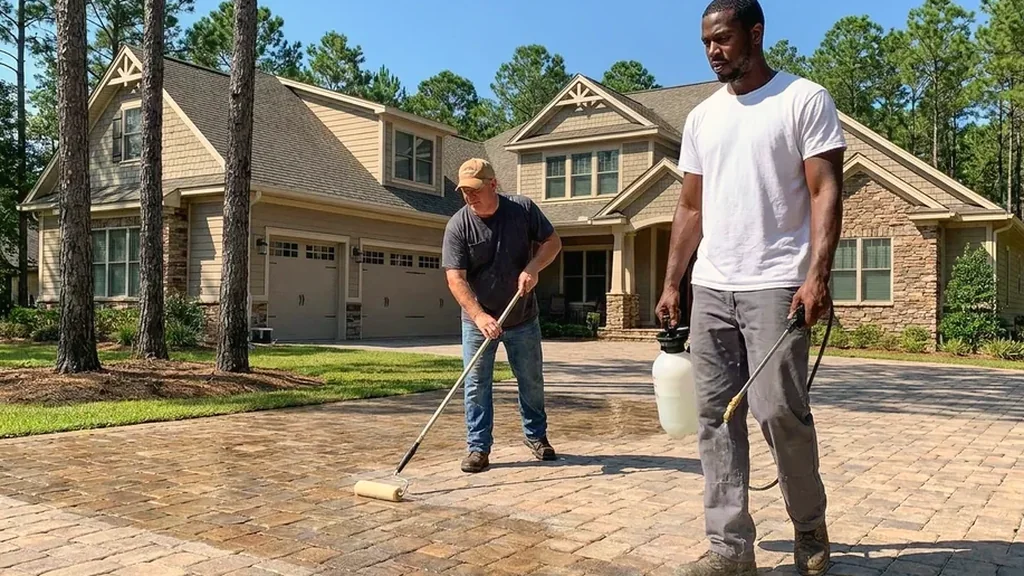
How does a paver sealing job work in Palm Valley?
Look at the surface and the low spots
The contractor walks the driveway, walk and pool deck and notes where water collects. In Palm Valley, with median listing elevations of 6 to 7 feet, the low corners tell the story. Pavers that sit low or tilt up are flagged for repair, since a coat keeps the dip. Any past sealer is identified, since water-based cannot go over solvent-based. Photos of the low spots help, especially after a storm, since water marks are easy to see when the pavers are still damp. The estimate lists what the contractor found. The census counted 9,960 people here in 1990 and 19,860 in 2000, which suggests many homes date from that building rush.
Wash away silt, salt and green
Cleaning clears the film that floodwater, shade and sprinklers leave on pavers. Salt residue gets rinsed off, and rust or oil marks get their own treatment ahead of the sand. The pressure is kept moderate so the joints are not blasted out. Landscaping and screens beside the pavers are protected. Any surface that shows white bloom is noted. Efflorescence is normal on concrete and often fades with weathering, and the contractor treats it before sealing so it is not locked in. A second look once the rinse dries finds spots the first pass skipped.
Refill the joints with fresh sand
New sand goes in before the coat because washing takes the old sand out. Storms and sprinklers have likely emptied the old joints in the first place. The contractor sweeps the surface clean when the joints are full. Pavers long overdue for sand make this stage drag. Sand color matters, so the joints do not stand out against the pavers. Ask to see a sample of the sand. If the sand has been gone for a long time, plan on this stage being the longest of the day.
Give wet ground time to dry
Low ground near the Intracoastal can stay damp after a big rain, and sealer needs a dry surface. Sealing damp pavers or laying the coat on too thick causes white or blotchy results, says one Jacksonville company. A careful contractor moves the day instead. Checking the low side of the drive is part of the plan. On the days after a storm the ground near the water can stay wet, even when the sky is clear. A patient contractor does not hurry that step. If the forecast turns, expect the contractor to call you about a new date, and that is normal.
Seal in the finish you chose
The sealer is sprayed and back-rolled, then the surface rests. Foot traffic is usually fine within a few hours and cars stay off for about a day, says one Jacksonville company. Quotes of two to five years between coats are typical. Jot down the product name, which helps the next coat match. Check the finish after it cures, and note any thin spots. The contractor can touch them up on a return visit.
Complete paver services in Palm Valley
Palm Valley jobs run wash first, then sand, then a dry-out, then sealer. That sequence stops silt and salt from ending up beneath the coat. A driveway plus a pool deck may take one visit or two. For scheduling details on your property, call (386) 854-4508.
Driveways collect tire wear and sprinkler spray. Pool decks collect splash, shade and sunscreen. Entry walks are small but show every mark, and shared walks at a condo need the association's say. Describe your surfaces when you send a quick request.
The old coat comes first in choosing a sealer, because water-based cannot go over solvent-based. The finish is a separate choice. Choose matte for the natural tone or a wet look for deeper color, knowing scuffs show sooner on the second. Call (386) 854-4508 for a walk through the options with the contractor.
Weather runs the schedule. Palm Valley's wet season lasts about four months, from early June to early October, according to Weather Spark. Sealing days slide when storms arrive. For a day that suits your property, send a quick request.
Questions to ask before you hire
- What should I do with my cars and my patio chairs the day before you arrive?
- The pavers back onto a retention pond, so how do you keep rinse water out of it?
- If a storm pops up in the afternoon, how do you protect a sealer coat that is still wet?
- My yard has a lot of live oaks, so how do you deal with the tannin stains from fallen leaves?
- Can the price be split into a clean-only option and a clean-and-seal option?
- My home runs on well water, so can the rust spots from my sprinklers be removed before sealing?
- Will the wash take pine straw and the dark mold off the joints, or only the surface?
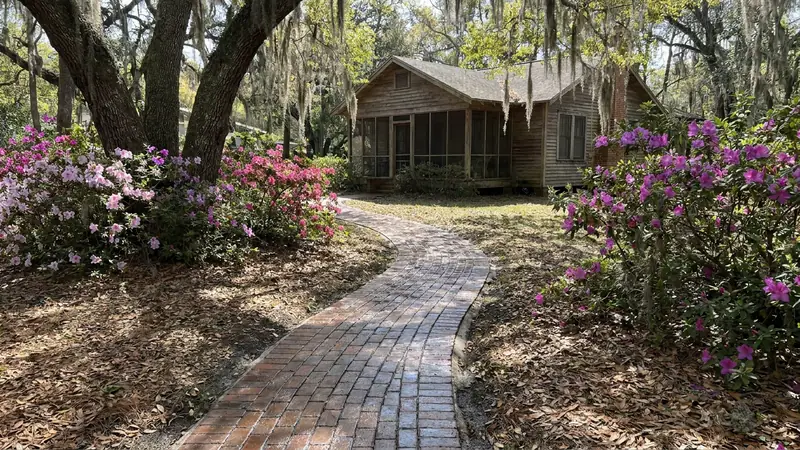
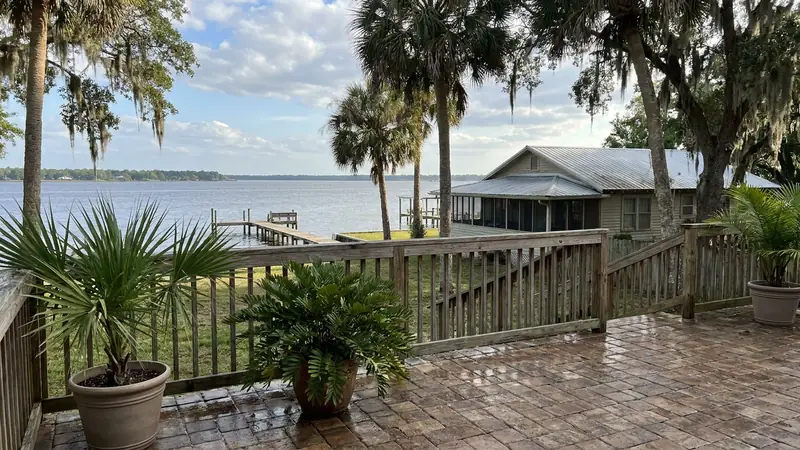
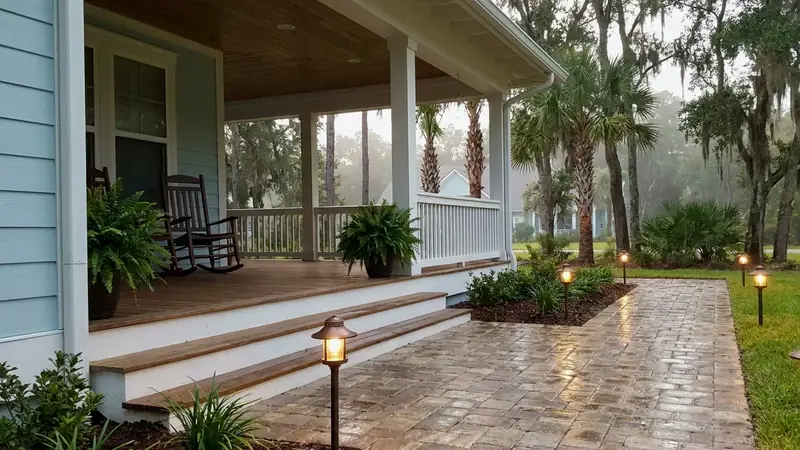
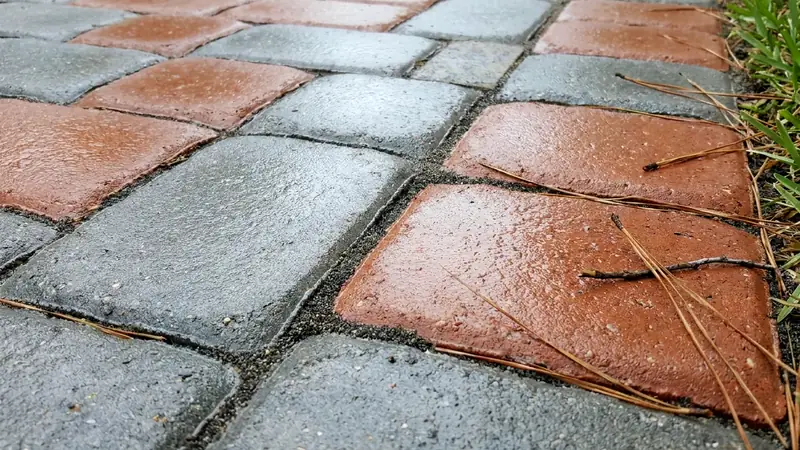
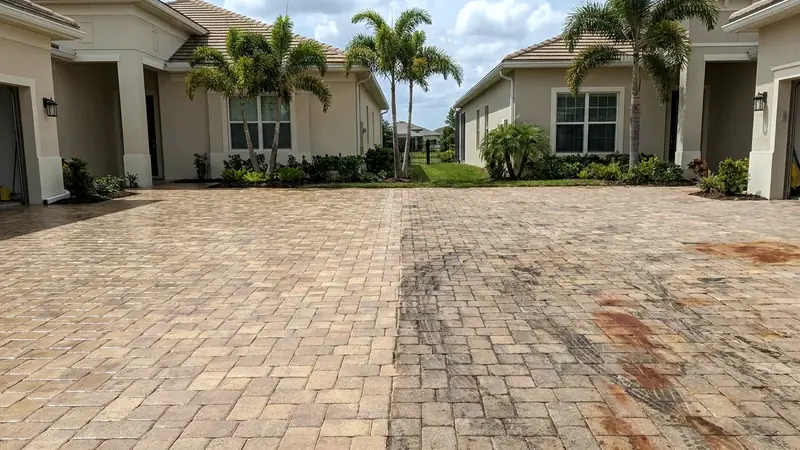
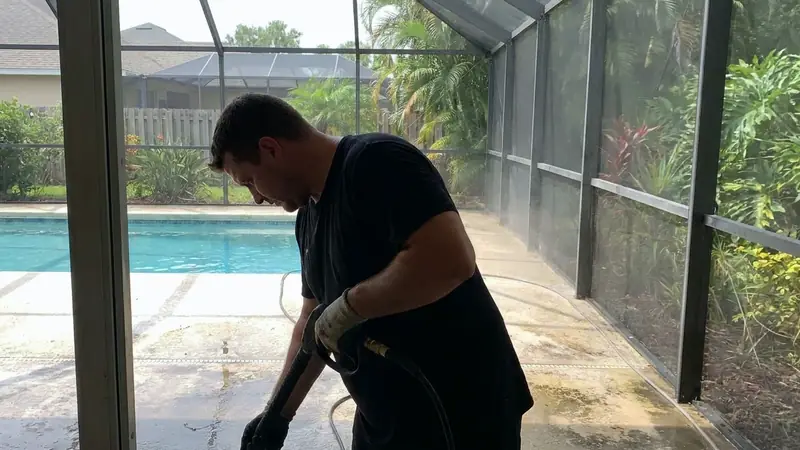
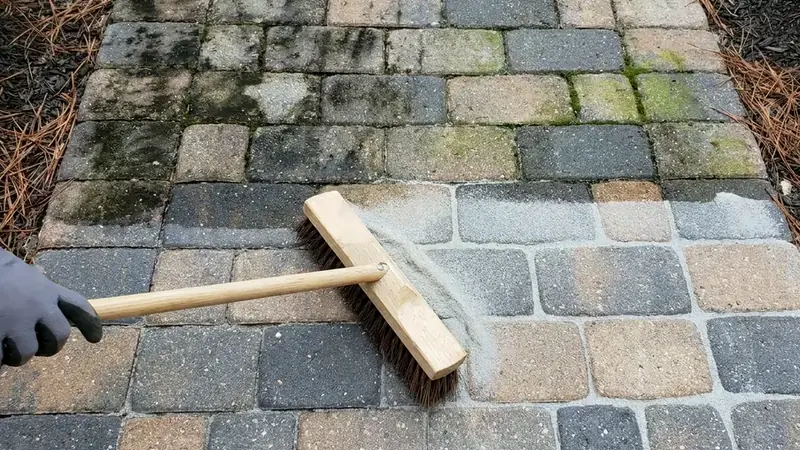
What do sealed pavers look like around Palm Valley?
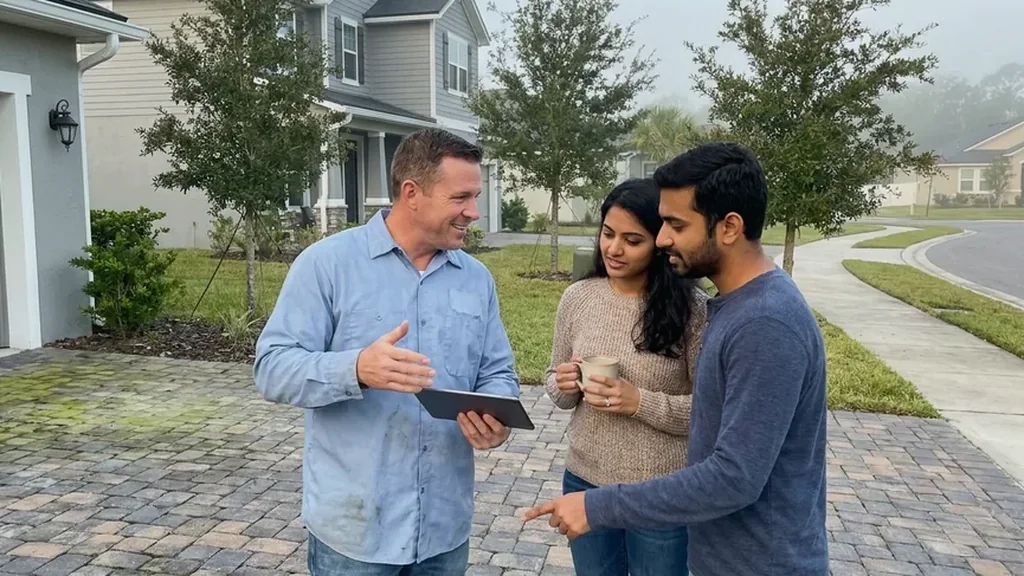
Why local matters in Palm Valley
A contractor who works Palm Valley knows heavy rain can leave water standing on low streets. That decides how much washing and drying a lot needs before any sealer. Someone from far away may not ask. To speak with a contractor who works this side of the waterway, call (386) 854-4508.
Local knowledge covers the water on both sides, since Roscoe Boulevard backs up to the Intracoastal and Canal Boulevard drains toward the creeks. A local crew knows which streets collect water and plans a longer dry time. Ask how low lots are handled when you send a quick request.
Associations and condos are common here too. A contractor who has worked these communities asks about approvals early. That avoids a return trip. Give your community name when you send a quick request.
Why do people say Palm Valley used to be marsh?
Because the Intracoastal Waterway drained it. A state marker at the Palm Valley Community Center, 148 Canal Boulevard, says the waterway opened in 1912 and that finishing it through Palm Valley drained much of the old marshland. A canal dug in 1908 had already linked the San Pablo and Tolomato rivers. For a home near Canal Boulevard, send a quick request with your street name.
The marker says the hammock was once covered with oaks, magnolias and palms and was known as the Plains of Diego. Families later cut and shipped about 400,000 palm fronds a year to northern churches, and Palm Valley Road was once dirt. Today the Palm Valley Bridge carries County Road 210 over the Intracoastal. Call (386) 854-4508 to book a visit at any Palm Valley address.
Frequently Asked Questions
Is it good to seal pavers in Palm Valley?
Generally yes. Sealing helps hold joint sand against storms and sprinklers and slows fading. Expect to recoat down the road, so judge your pavers as they are now. A coat that still works may need only a wash and fresh sand at first. Old Palm Valley listings show homes built from 1993 to 1999, so some pavers there may be decades old.
How much does it cost to re-sand and seal pavers in Palm Valley?
Published prices in the area start at $1.75 and top out at $3.25 per square foot for clean, sand and seal. What you pay follows the area, the condition of the old coat and the sand needed. Ask that the quote state the square footage. Since the estimate is free, you can check it against that range first.
Is there a pressure washing and paver sealing business near Palm Valley?
Yes. A local contractor in this area cleans, re-sands and seals pavers, and the estimate is free. Ask how the contractor keeps pressure moderate, since high pressure can dislodge joint sand. That is also why a rushed, cheap job may skip steps, so ask what each quote includes.
Why is paver sealing so expensive?
Most of what you pay covers prep. One Jacksonville company counts 2 to 3 hours of prep behind each hour of sealing. Taking off a failed coat and refilling joints stretch the job. A fair quote lists each prep step, since prep is the larger share.
How long does it take to seal pavers in Palm Valley?
Most jobs take one to two days, according to PD Home Pros, which works in St. Johns County. A large driveway plus a pool deck sits toward the longer end. Drying time after heavy rain or flooding can add to that.
Can Palm Valley pavers be sealed after a flood?
Yes, after they have been washed and have dried out completely. The contractor removes silt and salt, replaces lost joint sand and checks the low spots first. Sealing damp pavers can leave white or blotchy results. Ask the contractor to check the low side of the drive and to wait for dry weather before starting.
Does a condo or townhome association approve sealing in Palm Valley?
For shared walks and patios, usually the association decides. State law puts the association in charge of condominium common elements. Single-family owners follow their declaration and guidelines. A quick call to the manager can settle the question before you ask for a quote.
How does salt affect pavers in Palm Valley?
Salt can leave residue on the surface. A paver maker says airborne salt can crystallize as moisture evaporates, and pale pavers show it sooner. The contractor rinses it off during the wash. A wet look can hide some of it, but it shows scuffs sooner, so ask about both finishes.
Ready for a Free Estimate in Palm Valley?
Call (386) 854-4508 and tell us about your pavers.
Free, no obligation